Ingredient of the Month: Koji, the Quiet Revolution in Craft Hot Sauce
Walk through any well-curated hot sauce festival in 2025 and you’ll see a quiet pattern in the small-batch tents: more and more producers naming koji on their labels. Not as a gimmick. As a foundational technique. The same mold that makes soy sauce and miso has, in the last three years, become one of the most interesting things happening in craft hot sauce fermentation.
What koji actually is
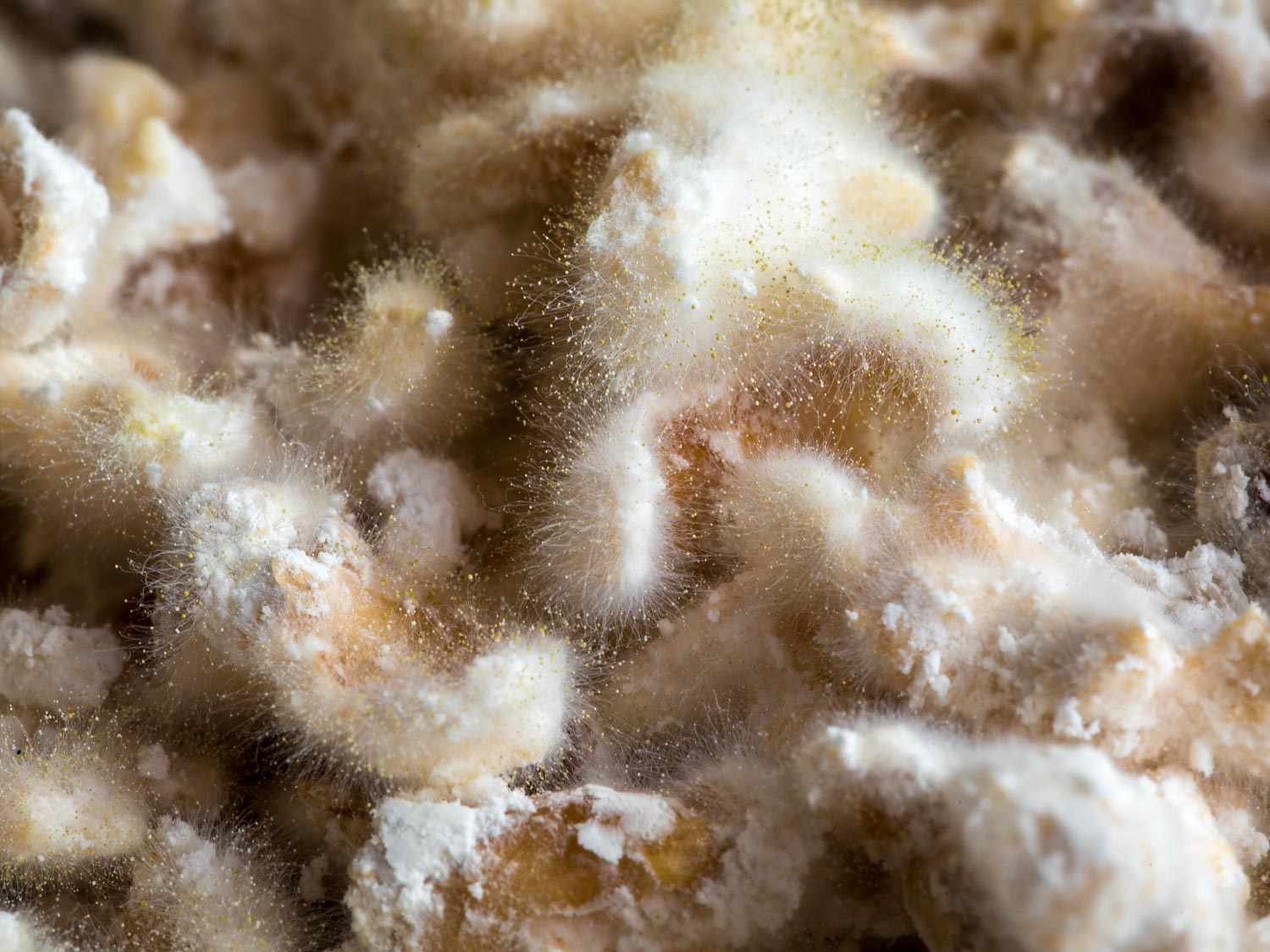
Koji is the common name for Aspergillus oryzae — a domesticated mold that’s been cultivated in Japan for at least a thousand years to make soy sauce, miso, sake, and mirin. It grows on cooked grains, usually rice or barley, and produces three classes of enzymes that matter for fermentation:
- Amylases, which break starches down into simple sugars
- Proteases, which break proteins down into amino acids — most importantly glutamate, the source of savory umami flavor
- Lipases, which break fats down into shorter, more aromatic fatty acids
It’s a small mycology lesson, but it explains why koji is showing up in hot sauces.
What it does in a hot sauce ferment
A standard lacto-fermented hot sauce is peppers + salt + lactobacillus bacteria, sometimes with added sugar to feed the bacteria. The result is tangy and bright, but it can also taste flat — peppers don’t have much in the way of starch or protein for the bacteria to work with.
Add koji-inoculated rice to the mash at the start of fermentation and a few things happen at once:
- The amylases convert any starch into sugar, which gives the lactobacillus more to eat. Fermentations go further and end cleaner.
- The proteases break down protein from the pepper cell walls (and from any added ingredients — beans, miso, fish sauce). The result is a hot sauce with the savory, deep, almost meaty undertone you taste in long-aged condiments.
- The aromatic compounds koji produces — esters, lactones, slight cheesy notes — add a dimension you cannot get from lactobacillus alone.
The finished sauce tastes more like a aged condiment than a fresh ferment. There’s a distinct funk to it, in the good way. People describe it as parmesan-like, or like the umami crust on the bottom of a slow-roasted vegetable pan.
Who’s doing it well
A handful of craft makers have been pushing koji-fermented sauces for several years now. Shaquanda’s Hot Pepper Sauce out of Brooklyn has koji in their fermentation rotation. Karma Sauce in Rochester has experimented with koji-aged products. Plenty of smaller producers selling at regional festivals are doing it on a one-off batch basis without making it a brand identity yet.
The trend is more visible in the experimental end of the market than in the grocery aisle. That’ll change. Koji’s commercial advantages — faster fermentation, more consistent results, more depth — are real, and they scale.
Trying it at home
If you ferment hot sauce in five-gallon batches in your garage, koji is approachable. Buy dry koji rice (look for kome koji at Japanese grocers or order online from suppliers like GEM Cultures). Mix it into your pepper mash at the start, alongside the salt. The koji enzymes work in the first 24-48 hours; lactobacillus takes over and runs the rest of the ferment. Total time is roughly the same as a standard lacto-ferment — two to four weeks depending on temperature.
One caveat: koji’s character is strong. It doesn’t belong in every sauce. A clean, fruit-forward sauce designed to highlight a single pepper variety doesn’t need koji muddying it up. Reserve the technique for sauces where complexity is the point — barrel-aged, dark, layered, the kind of sauce you reach for on slow-cooked meat instead of tacos.
The fact that koji is showing up in hot sauce at all is part of a broader pattern. Hot sauce makers are absorbing techniques from the wider fermentation world — sourdough culture from bread baking, secondary fermentations from cider, koji from Japanese cuisine. The good ones know that heat is just one variable. The other variables are where the next decade of the category gets interesting.