Hot Sauce Industry Annual Report: 2025 in Review, 2026 in Focus
The US hot sauce market crossed $3 billion in retail sales in 2025, continuing a decade of consistent growth at roughly 7-9% annually depending on which slice of the category you measure. Despite real consumer pressure on the rest of the grocery aisle, hot sauce held up better than most condiments. Part of that is the affordability factor — a $7 bottle of premium sauce is one of the cheapest pleasures available. Part is that the category has been actively diversifying upward instead of fighting on price.
Here’s what defined the year and what’s setting up 2026.
Heat creep is over. Flavor creep is in.
For about a decade, the loudest segment of the industry was "make it hotter." That cycle has slowed dramatically. Pepper X is the current commercial ceiling, and very few makers are racing toward it. The novelty-extreme market — sauces sold on warning labels and dare-to-eat marketing — peaked around 2021 and has been contracting since.
The energy has shifted to flavor complexity. Single-origin pepper sauces. Fermented sauces with named cultures. Smoked and barrel-aged products. Chef-collaboration releases that emphasize ingredient sourcing as the differentiator. The Hot Ones effect — premium small-batch sauces selling at $15-25 per bottle to people who want the experience as much as the product — has fully colonized the specialty market.
Distribution is splitting
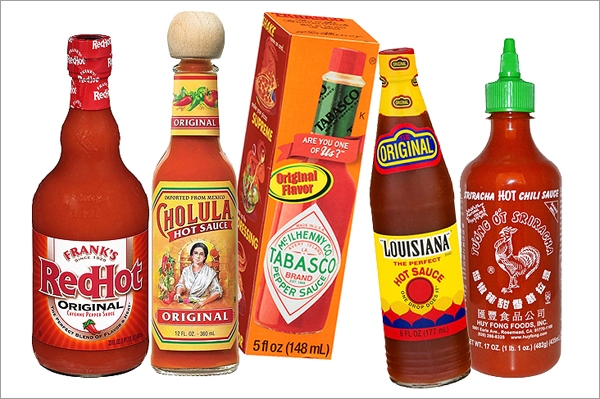
Grocery shelves still belong to Tabasco, Cholula, Frank’s, Tapatío, Huy Fong, and the rest of the legacy brands. They are not losing market share at the grocery level in any meaningful way. What’s changed is where new customers find new sauces.
Discovery has moved online. Craft makers selling direct-to-consumer through their own sites, Shopify, and increasingly TikTok Shop are seeing growth rates the legacy brands cannot match — albeit from much smaller bases. The middle ground — small craft sauces trying to break into regional grocery distribution — is the hardest place to be in the industry right now. Distribution costs are up, slot fees are punitive, and the time-to-shelf for a new brand has lengthened.
Fermentation has gone mainstream in craft
If you walked through any regional hot sauce festival in 2025, more than half the booths had at least one fermented sauce on the table. Lacto-fermented, koji-fermented, mash-aged in oak — fermentation is now the default expectation for craft producers, not the differentiator it was five years ago.
Which means the new differentiator is what you’re fermenting with: heirloom peppers, regional ingredients, unusual cultures. Single-variety ferments. Wild ferments. Sauces aged in former whiskey or wine barrels. The next layer of craftsmanship is happening above the fermentation baseline, not at it.
Celebrity sauces saturated and started thinning
A wave of athlete- and musician-branded sauces launched in 2023-2024. By late 2025, most had quietly disappeared from shelves and Shopify storefronts. The exceptions: Hot Ones, which is functionally a media property using sauce as merchandise; and a small handful of celebrity sauces with real culinary credibility behind them. Pure name-on-bottle plays are mostly cooked. Retailers and consumers have learned to ignore them.
What to watch in 2026
Pepper supply tightening. Several regions saw poor harvests in 2025 — drought in parts of the Southwest, fungal pressure in the Southeast. Bulk mash prices are up meaningfully across the year. Small makers without grower relationships will feel this. Expect retail price increases on craft sauces, and possible substitutions on labels.
Hot sauce in adjacency categories. Hot honey crossed $200 million in 2024 and is still growing. Hot pickles, hot olive oils, hot maple syrup, hot peanut butter — the chilihead palate is bleeding into the rest of the pantry. Makers with established hot sauce brands are extending into these adjacencies and finding white space there that the core sauce category no longer offers.
Regulatory attention on extracts. The FDA has been quieter on extreme heat sauces than people expected a few years ago. State-level activity is the layer to watch. Several state ag departments have evaluated warning-label requirements for sauces above certain SHU thresholds, and we expect at least one state to formalize requirements in 2026.
NRCS and grower-side activity. Small specialty pepper growers are starting to access USDA Natural Resources Conservation Service grants previously dominated by commodity crops. This matters for the long-term supply picture and for the economics of small pepper farms. We’ll be covering this in detail in our Growing section as the 2026 application windows open.
The bigger picture
The hot sauce industry in 2026 looks structurally similar to where craft beer was around 2015 — past the explosive novelty phase, into the maturation phase, with the basis of differentiation moving from raw heat to story, sourcing, and quality. That’s good news for makers who can tell a real story and back it up with product. It’s harder news for the also-rans who built brands on shock value, celebrity, or pure heat. The category is rewarding craft now. It will keep doing so for a while.